· Findings · 2 min read
Electric cars fail their MOT on tyres twice as often as petrol cars
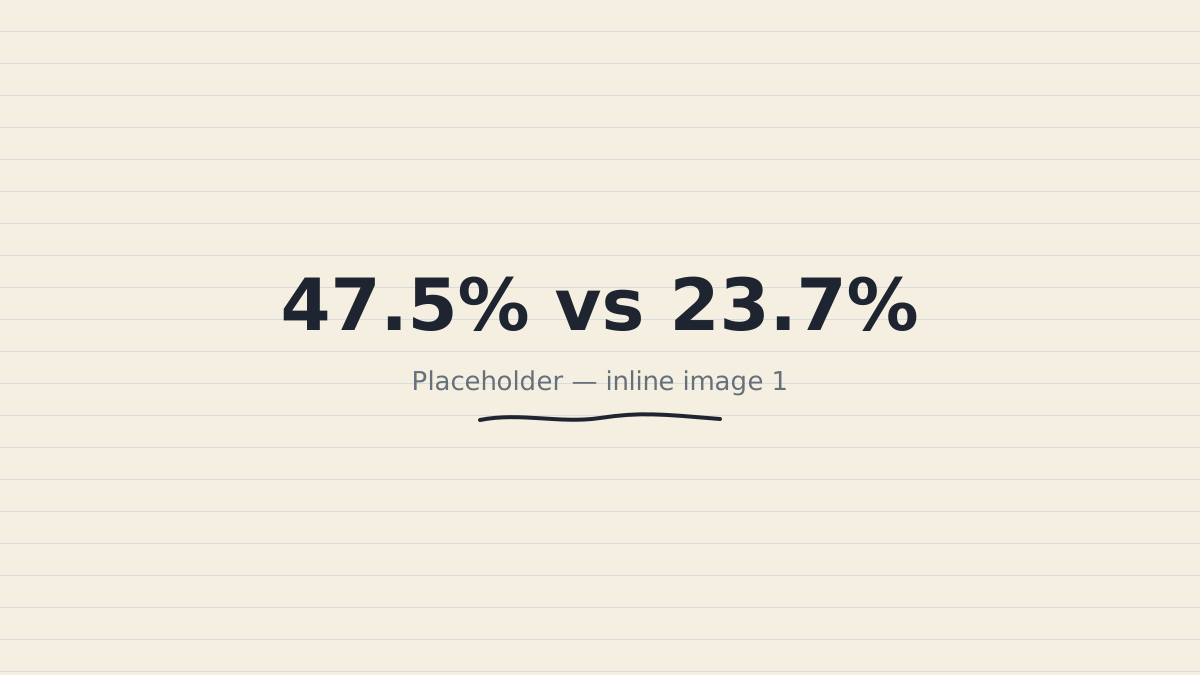
We matched 442,243 first-time inspections of electric cars against petrol and diesel cars of the same age. Tyres are 47.5% of everything that fails an electric car, against 23.7% on the rest of the fleet. Brakes go the other way.
Every failed MOT lists the defects that caused it. We took every first-time inspection of a fully electric car in the 2024 test year, 442,243 of them, and grouped those defects by system. Then we did the same for a sample of petrol and diesel cars of the same age, tested the same year.
The number
Tyres are 47.5% of the defects that fail an electric car. On petrol and diesel cars of the same age they are 23.7%. That is not a rounding difference; it is a doubling, and it holds across brands.
The single most common defect on the certificate is "a tyre seriously damaged", 19,045 times. "Tread depth not in accordance with the requirements" comes next, then "tyre cords visible or damaged". On some models the picture is more extreme still: on the Tesla Model 3 tyres account for 72% of failing defects.
Why
Nothing mysterious. A battery pack adds several hundred kilograms, instant torque scrubs the front tyres on every pull-away, and many electric cars run wider, lower-profile tyres to begin with. Owners who came from a petrol car and expect a set to last 30,000 miles are the ones who arrive at the test with cords showing.
The other half of the story
Brakes are 9.6% of electric-car failures against 18.7% on petrol and diesel. Regenerative braking does most of the stopping, so the pads barely wear. That sounds like good news, and for the pads it is. The catch shows up on the older cars: discs and calipers that never get used corrode and seize, and a seized caliper fails the test just as surely as a worn pad.

What this means if you are buying
Look at the inner edge of the front tyres before anything else. Four matching, dated tyres from a decent brand say the previous owner understood the car; four different budget brands say they did not. Then ask when the brakes were last stripped and cleaned, not when the pads were changed. On an electric car those are different questions.
Every model's own tyre and brake share is on its page, and the tyre wear and brake problems pages rank all 83.
By What Wears Out editorial team. Data: DVSA anonymised MOT tests, OGL v3.0. Methodology.
Pages with the numbers
More news

The Nissan Leaf is better than petrol at three years old and worse than diesel at ten
49,764 inspections in a single year make the Leaf the best-documented electric car in Britain. It starts strong, then ages faster than the fleet, and the reason is suspension and rear brakes rather than anything electric.

DVSA has published the 2025 test year. Here is what will change on this site
The 2025 files landed on 22 June 2026 with 38.1 million tests and 92.5 million defect items. Every figure here will be recomputed; this is what to expect and what will not move.