· Model report · 1 min read
The Nissan Leaf is better than petrol at three years old and worse than diesel at ten
49,764 inspections in a single year make the Leaf the best-documented electric car in Britain. It starts strong, then ages faster than the fleet, and the reason is suspension and rear brakes rather than anything electric.

At three years old the Leaf fails 7.0% of its first inspections. Petrol cars of the same age fail 8.2%. At ten years old the Leaf fails 34.5%. Nothing else in the data is as well documented: 49,764 first-time tests in 2024 alone.
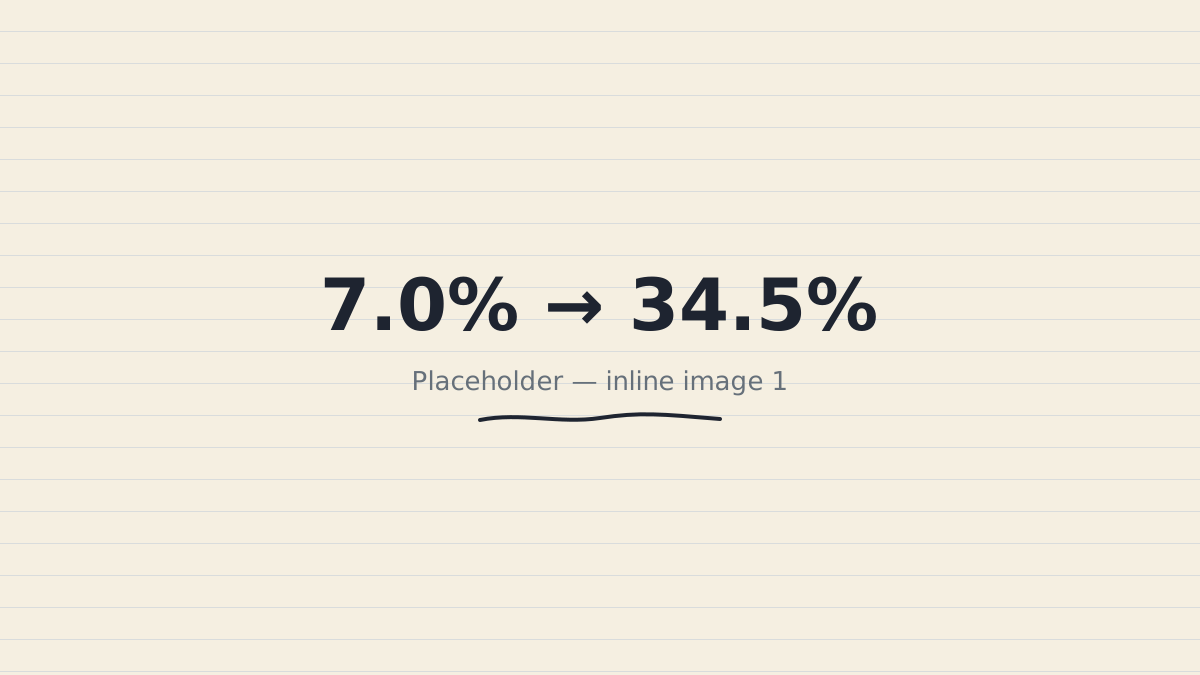
Where the curve bends
The crossover with petrol happens around year six. From there the Leaf's failure rate climbs faster than either petrol or diesel, and the defect list explains why. Suspension is 25.5% of its failing defects against 13.6% on the wider fleet. The single most common item on a Leaf certificate is "a suspension pin, bush or joint excessively worn", 3,203 times.
The brake that fails on one side
Further down the list is a defect that barely appears on other cars: "parking brake inoperative on one side", 455 times. Owner forums have been describing the same thing for years, rear brakes seizing on cars that rarely use them, and repair logs show the bill: several hundred pounds to strip, clean and free calipers whose pads were nowhere near worn.
What to check
Have the front suspension joints and bushes checked on a lift, test the parking brake on a slope and listen for one side dragging, and ask for the free DVSA MOT history by registration: advisories are next year's failures. The full Leaf page has the age curve, every defect, and the owner reports matched to them.
By What Wears Out editorial team. Data: DVSA anonymised MOT tests, OGL v3.0. Methodology.
Pages with the numbers
More news

Electric cars fail their MOT on tyres twice as often as petrol cars
We matched 442,243 first-time inspections of electric cars against petrol and diesel cars of the same age. Tyres are 47.5% of everything that fails an electric car, against 23.7% on the rest of the fleet. Brakes go the other way.

DVSA has published the 2025 test year. Here is what will change on this site
The 2025 files landed on 22 June 2026 with 38.1 million tests and 92.5 million defect items. Every figure here will be recomputed; this is what to expect and what will not move.